

The modern world bombards us with demands for our time and energy. We juggle work, family, personal pursuits, and the endless upkeep of our lives. The result often feels like a frantic race against the clock, leaving us stressed and depleted. But what if there was a way to reclaim precious hours, reduce mental clutter, and experience a more serene existence? The answer lies in the power of automation. By strategically delegating repetitive and time-consuming tasks to technology, we can unlock a new level of efficiency, peace, and ultimately, a simpler, more fulfilling life.
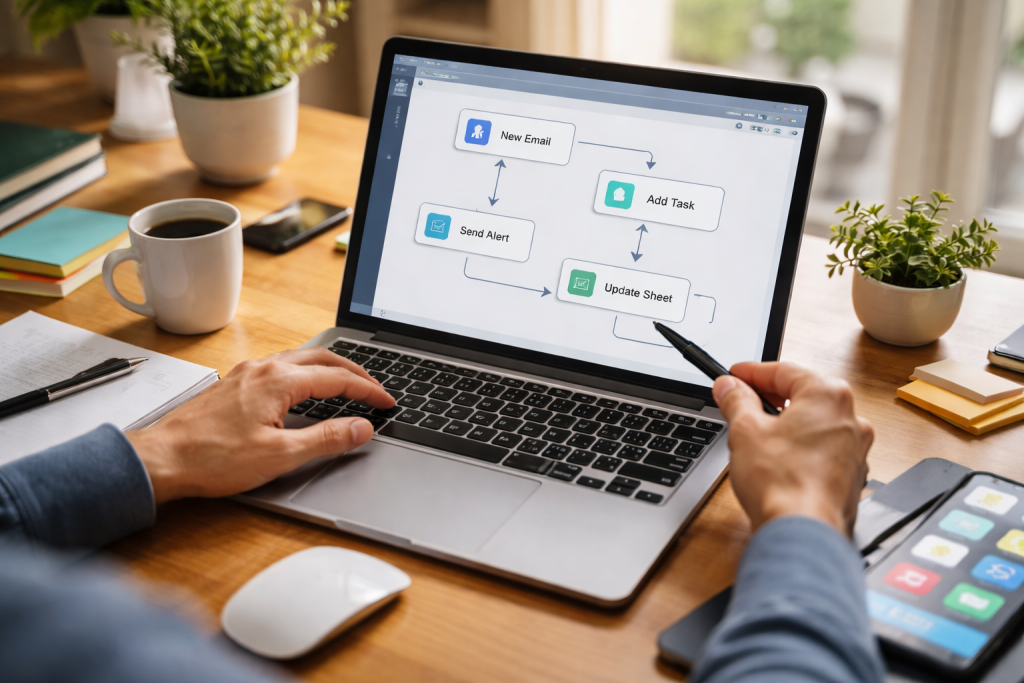
Automation isn’t just about being “techy”; it’s about intentional living. It involves identifying areas where predictable, routine actions waste our precious human cognitive power and intelligently delegating these tasks to systems specifically designed for them. The benefits extend far beyond mere time-saving, touching upon our psychological well-being and overall life satisfaction.
Contents
- 1 Reclaiming Your Most Valuable Asset: Time
- 2 Reducing Mental Load and Cognitive Fatigue
- 3 Enhancing Consistency and Reducing Errors
- 4 Boosting Productivity and Efficiency in All Life Areas
- 5 Identifying Your Automation Targets
- 6 Exploring Digital Assistants and Smart Home Ecosystems
- 7 Leveraging Workflow Automation Platforms
- 8 Utilizing Productivity Apps and Specialized Software
- 9 Prioritizing Integration and User-Friendliness
- 10 Morning Routines Made Effortless
- 11 Evening Routines for Relaxation and Preparedness
- 12 Automating Communication and Social Interactions
- 13 Simplifying Errands and Chores
- 14 Bill Payment Automation and Budget Tracking
- 15 Investment Management and Savings Automation
- 16 Subscription Management
- 17 Fraud Monitoring and Alert Systems
- 18 Smart Lighting and Climate Control
- 19 Security and Monitoring Automation
- 20 Appliance Management and Maintenance
- 21 Automated Cleaning Solutions
- 22 Streamlining Communication and Collaboration
- 23 Data Entry and Report Generation
- 24 Scheduling and Calendar Management
- 25 Task Management and Workflow Optimization
- 26 Habit Tracking and Reminders
- 27 Meal Planning and Preparation
- 28 Health Monitoring and Data Analysis
- 29 Automated Supplement and Medication Reminders
- 30 Start Small and Gradually Expand
- 31 Document Your Automations
- 32 Regularly Review and Refine Your Automations
- 33 Prioritize Security and Privacy
- 34 Be Patient and Persistent
- 35 The Initial Time Investment
- 36 Fear of Technology or Lack of Technical Skills
- 37 Integration Issues and Incompatibility
- 38 Over-Automation and Loss of Flexibility
- 39 Maintaining and Updating Automated Systems
- 40 Reducing Decision Fatigue and Mental Clutter
- 41 Cultivating Mindfulness and Presence
- 42 Freeing Up Time for Passions and Purpose
- 43 Creating Space for Spontaneity and Serendipity
Reclaiming Your Most Valuable Asset: Time
The most obvious and immediate benefit of automation is the retrieval of time. Think about the cumulative hours spent each week on tasks like sorting emails, scheduling appointments, paying bills, or even simply remembering to take supplements. Automating these activities frees up blocks of time that can be redirected toward activities that truly matter—spending quality time with loved ones, pursuing hobbies, learning new skills, or simply resting and recharging. This isn’t about idleness; it’s about purposeful engagement with life.
Reducing Mental Load and Cognitive Fatigue
Beyond the sheer volume of time saved, automation significantly reduces our mental load. Every task we manually manage requires us to remember it, plan for it, and execute it. This constant cognitive juggling act, even for seemingly small tasks, contributes to mental fatigue and decision paralysis. By automating these processes, we offload the responsibility from our brains to reliable systems. This frees up mental bandwidth, allowing us to focus on more complex problem-solving, creative endeavors, and deeper thinking, leading to greater clarity and reduced stress.
Enhancing Consistency and Reducing Errors
Humans are prone to errors, especially when performing repetitive tasks. Fatigue, distraction, or a simple lapse in attention can lead to mistakes that, while sometimes minor, can still have consequences. Automation, when properly set up, performs tasks with unwavering consistency. This eliminates human errors from many routine processes, ensuring accuracy and reliability. Imagine never forgetting to water a plant, never missing a bill payment, or always having your smart lights turn on at dusk. This predictable consistency contributes to a sense of order and control.
Boosting Productivity and Efficiency in All Life Areas
The ripple effect of automation is felt across all facets of our lives. At work, it means more focused effort on strategic initiatives rather than administrative duties. In our homes, it streamlines chores and simplifies domestic management. Even in our personal wellness routines, automation can ensure we stay on track with healthy habits. This heightened efficiency across the board translates into achieving more with less effort, leading to a greater sense of accomplishment and a feeling of being in control of our lives.
The landscape of automation tools can seem overwhelming, but the key is to identify solutions that align with your specific needs and existing routines. It’s not about adopting every new gadget; it’s about strategic integration.
Identifying Your Automation Targets
Before diving into tools, take an honest assessment of your daily, weekly, and monthly routines. Where do you spend the most time on repetitive, predictable tasks? Categorize these tasks. Are they related to work, finances, home management, health, or personal communication? Understanding these pain points will guide your tool selection. Focus on tasks that are time-consuming, prone to error, or simply cause you frustration.
Exploring Digital Assistants and Smart Home Ecosystems
Platforms like Amazon Alexa, Google Assistant, and Apple’s Siri are powerful hubs for home automation. They can control smart lights, thermostats, speakers, and even security systems through voice commands or pre-programmed routines. These digital assistants can also handle basic tasks like setting timers, creating shopping lists, and providing weather updates, further simplifying daily interactions.
Leveraging Workflow Automation Platforms
For more complex task automation, especially in a professional or passionate hobbyist context, consider workflow automation platforms. Tools like IFTTT (If This Then That), Zapier, and Make (formerly Integromat) allow you to create connections between different apps and services. For example, you can set up a rule to automatically save all your email attachments to a cloud storage service or to post your latest blog entry to your social media channels simultaneously.
Utilizing Productivity Apps and Specialized Software
Many apps are designed with automation in mind. Project management tools can automate task assignments and reminders. Calendar apps can automate appointment scheduling and conflict checking. Financial management software can automate bill payments and track spending. Explore apps tailored to your specific needs, whether it’s note-taking, habit tracking, or digital organization.
Prioritizing Integration and User-Friendliness
When choosing tools, consider how well they integrate with your existing technology. A seamless ecosystem is more effective than a collection of disparate, unconnected apps. Moreover, prioritize tools that are intuitive and easy to use. The learning curve should not outweigh the benefits of automation. Many platforms offer free trials, allowing you to experiment before committing.
Automation can transform your daily existence from a series of hurried tasks into a fluid, efficient flow. It’s about creating a rhythm that supports your goals and well-being.
Morning Routines Made Effortless
Imagine waking up to the gentle glow of simulated sunrise lights, your favorite calming music playing softly, and your coffee maker already brewing. Smart home routines can orchestrate these elements with precision. Your digital assistant can then provide a brief news update, your calendar summary, and the day’s weather forecast, all before you even leave your bedroom. This sets a calm and organized tone for the entire day, minimizing morning rush and decision fatigue.
Evening Routines for Relaxation and Preparedness
As the day winds down, automation can also facilitate relaxation and prepare you for the next. Lights can dim gradually, entertainment systems can power down, and thermostats can adjust for optimal sleep. You can also use automation to ensure you’re prepared for the following day. This might involve automating the process of laying out clothes, packing your work bag with essential items, or even pre-setting your breakfast order for a local cafe.
Automating Communication and Social Interactions
Keeping in touch with loved ones or professional contacts can be time-consuming. Automation can help here too. Recurring messages for birthdays or anniversaries can be scheduled in advance. Social media posting schedules can be automated to maintain a consistent online presence without constant manual effort. Even responding to common inquiries can be streamlined with canned responses or chatbots, freeing up your time for more meaningful interactions.
Simplifying Errands and Chores
From grocery shopping to household maintenance, many common errands can be automated or semi-automated. Online grocery ordering with recurring lists ensures you never run out of essentials. Smart appliances can provide reminders for cleaning cycles or filter changes. Even yard work can be partially automated with smart sprinklers that adjust watering based on weather forecasts.
Financial management is a significant source of stress for many. Automation in this area can provide immense peace of mind, allowing you to focus on building wealth rather than fearing missteps.
Bill Payment Automation and Budget Tracking
Most banks and utility companies offer automatic bill payment services. By setting up recurring payments, you eliminate the risk of late fees or missed payments. Combine this with budgeting apps that automatically categorize your spending and track your progress towards financial goals, and you’ve significantly reduced the mental overhead of managing your money. These tools can provide real-time insights into your financial health, empowering you to make informed decisions.
Investment Management and Savings Automation
Many investment platforms allow for automatic recurring investments, enabling you to consistently contribute to your retirement or other financial goals without requiring constant manual intervention. Similar savings automation can be set up to automatically transfer a set amount from your checking account to your savings account on a regular basis, helping you build your nest egg passively.
Subscription Management
The proliferation of subscription services can lead to unintended expenses. Apps and browser extensions exist that can track your active subscriptions, alert you to upcoming renewals, and even help you cancel unwanted services. This proactive approach prevents financial leakage and ensures you’re only paying for services you actively use.
Fraud Monitoring and Alert Systems
Many financial institutions offer automatic fraud monitoring and alert systems. These systems detect suspicious activity and promptly notify you, enabling you to take prompt action. Some third-party apps also provide enhanced security features and transaction monitoring, adding an extra layer of protection to your financial well-being.
Your home should be a sanctuary, not a constant source of chores and upkeep. Automation can transform your living space into a more efficient, comfortable, and enjoyable environment.
Smart Lighting and Climate Control
Smart thermostats learn your preferences and can automatically adjust your home’s temperature for optimal comfort and energy efficiency. Smart lighting systems can be programmed to turn on and off based on occupancy, time of day, or even your location. Imagine arriving home to a perfectly lit and temperate house, without lifting a finger. This not only enhances comfort but also contributes to significant energy savings.
Security and Monitoring Automation
Smart security systems offer a range of automated features, from motion detection alerts sent directly to your phone to automatic locking of doors at a set time. Many systems also allow remote access, so you can check on your home or grant temporary access to visitors from anywhere in the world. This peace of mind, knowing your home is secure, is invaluable.
Appliance Management and Maintenance
Many modern appliances are now “smart” and can be integrated into home automation systems. They can send reminders for cleaning cycles, automatically order supplies like detergent, or even self-diagnose issues and alert you to potential problems before they become major repairs. This proactive approach to appliance management can save you time, money, and unexpected inconveniences.
Automated Cleaning Solutions
From robotic vacuum cleaners and mops that can be programmed to clean your floors on a regular schedule to smart pet feeders that dispense food at set times, automation is making household chores increasingly hands-off. These devices can handle tedious tasks, freeing up your time for more enjoyable activities.
The professional realm is perhaps where automation can yield the most dramatic boosts in productivity and efficiency. By offloading repetitive administrative tasks, you can free up valuable time for strategic thinking and creative problem-solving.
Streamlining Communication and Collaboration
Automated email filtering and sorting can ensure you always see the most important messages first. Scheduling tools can simplify meeting arrangements, reducing the back-and-forth emails typically involved. Project management software can automate task assignments, progress tracking, and reminder notifications, keeping teams aligned and projects on track.
Data Entry and Report Generation
Many roles involve tedious data entry or the regular generation of reports. Robotic Process Automation (RPA) tools can mimic human actions to input data, extract information, and compile reports with speed and accuracy. This frees up employees to focus on analyzing the data rather than compiling it.
Scheduling and Calendar Management
Beyond personal use, automating work calendars can be a game-changer. Tools that automatically find optimal meeting times, send out invitations, and even handle rescheduling if conflicts arise can save hours of administrative work each week for individuals and entire teams.
Task Management and Workflow Optimization
For complex projects, workflow automation platforms can map out and automate entire processes. This can involve anything from onboarding new clients to managing content creation pipelines. By defining clear steps and triggers, you ensure that tasks are completed consistently and efficiently, reducing bottlenecks and improving overall workflow.
Taking care of yourself shouldn’t feel like another chore. Automation can support your health and wellness journey, making it easier to build and maintain healthy habits.
Habit Tracking and Reminders
Numerous apps and wearable devices can help you track habits like water intake, exercise, sleep patterns, and medication adherence. These tools can send personalized reminders at optimal times, making it easier to stay consistent with your health goals. Some platforms even gamify the process, offering rewards for hitting milestones.
Meal Planning and Preparation
Automating aspects of meal planning can make healthy eating more accessible. Apps can generate meal plans based on your dietary preferences and nutritional needs and then create corresponding grocery lists. Some services even offer pre-portioned meal kits that arrive at your door, simplifying preparation and reducing food waste.
Health Monitoring and Data Analysis
Wearable devices and smart health monitors can automatically track vital signs like heart rate, activity levels, and sleep quality. This data can be synced with apps that provide insights into your overall health trends, allowing you to identify areas for improvement and share relevant information with your healthcare providers.
Automated Supplement and Medication Reminders
For those managing multiple medications or supplements, automated reminders are essential. Apps can be programmed to dispense notifications at specific times, ensuring you never miss a dose. Some smart pill dispensers can even dispense the correct pills at the right time, adding an extra layer of safety and convenience.
Embarking on an automation journey is exciting, but a thoughtful approach is key to long-term success and avoiding overwhelm.
Start Small and Gradually Expand
Don’t try to automate everything at once. Begin with one or two areas that cause you the most frustration or consume the most time. Master those automations before moving on to new ones. This incremental approach makes the process less daunting and allows you to learn and adapt as you go.
Document Your Automations
For more complex automations, or even for simple routines that you might forget the setup for, it’s wise to create simple documentation. This could be a brief note in a digital notebook or a spreadsheet detailing what each automation does and how it’s configured. This will be invaluable if you need to troubleshoot or make changes later.
Regularly Review and Refine Your Automations
Technology evolves, and so do your needs. Periodically review your automated systems to ensure they are still serving you effectively. Are there opportunities to improve them? Are there new tools that could further enhance your efficiency? Set aside time every few months to assess and fine-tune your automations.
Prioritize Security and Privacy
When using automation tools, especially those that connect to your financial accounts or personal data, always prioritize security. Use strong, unique passwords, enable two-factor authentication whenever possible, and be mindful of the permissions you grant to apps and services. Understand how your data is being used and stored by the automation providers.
Be Patient and Persistent
Implementing automation is a process. There will be occasional glitches, learning curves, and times when an automation doesn’t work as expected. Don’t get discouraged. With patience and persistence, you will refine your systems and reap the rewards of a more streamlined life.
While the benefits of automation are clear, the path to implementation can present obstacles. Anticipating and addressing these challenges can smooth the transition.
The Initial Time Investment
Setting up automations, especially complex ones, can initially require a significant time investment. This can feel counterintuitive when the goal is to save time. However, view this as an investment with a high return. The time spent upfront will be recouped many times over in the long run.
Fear of Technology or Lack of Technical Skills
For some, the perceived complexity of automation tools can be a barrier. However, many platforms are designed with user-friendliness in mind. Start with simpler integrations and gradually build your confidence and skills. Online tutorials and support resources are readily available to assist with any technical hurdles.
Integration Issues and Incompatibility
Not all apps and devices play nicely together. You might encounter situations where your desired automation is hindered by incompatibility. Before investing in new technology, research its integration capabilities with your existing ecosystem. Many workflow platforms offer a wide range of integrations, which can help bridge compatibility gaps.
Over-Automation and Loss of Flexibility
It’s possible to over-automate, leading to a rigid system that struggles to adapt to unexpected changes or nuanced situations. The goal is to automate tasks that are truly repetitive and predictable. Retain manual control over areas that require human judgment, creativity, or spontaneity. Automation should enhance, not replace, your ability to adapt.
Maintaining and Updating Automated Systems
Automated systems are not set-and-forget. They require occasional maintenance, updates, and checks to ensure they continue to function correctly. This might involve software updates, changes in API protocols, or adjustments to your routines. Factor in a small amount of ongoing effort for system upkeep.
Ultimately, the goal of automation is not just about efficiency; it’s about fostering a lifestyle of simplicity, intentionality, and well-being. By thoughtfully integrating technology into our daily lives, we can reduce clutter, reclaim our time, and create more space for what truly matters.
Reducing Decision Fatigue and Mental Clutter
When repetitive tasks are handled automatically, our minds are freed from the constant churn of daily minutiae. This reduction in decision fatigue allows us to approach challenges with greater clarity and focus. The mental space created by automation can be dedicated to more meaningful pursuits, leading to a calmer and more organized inner world.
Cultivating Mindfulness and Presence
With less time spent on mundane tasks, we are better able to be present in the moment. Whether it’s enjoying a meal without the worry of what chore comes next or fully engaging in a conversation without your mind racing ahead, automation can help us savor our experiences and live more mindfully.
Freeing Up Time for Passions and Purpose
The most profound benefit of reclaiming time through automation is the opportunity to invest it in activities that bring us joy and fulfillment. This could mean dedicating more hours to a creative passion, pursuing personal growth, nurturing relationships, or engaging in activities that contribute to our communities. Automation empowers us to live a life aligned with our values and aspirations.
Creating Space for Spontaneity and Serendipity
While automation brings structure, it also creates the potential for unexpected moments and serendipitous discoveries. By having a well-managed foundation, you are more likely to have the time and mental energy to embrace spontaneous opportunities, explore new interests, and allow for the beautiful randomness of life to unfold.
In conclusion, embracing automation is not about becoming a passive observer of life but about becoming a more intentional architect of it. By strategically delegating tasks to technology, we can unlock a world of benefits, from reclaimed time and reduced stress to enhanced productivity and a deeper sense of peace. The journey to a simplified life through automation is an ongoing evolution, one that promises a more fulfilling and less cluttered existence, allowing us to truly thrive in the modern world.

About the Author
Muqadas Ali is the founder of SmartLearningWay with over 5 years of experience in blogging and digital learning. His mission is to help students and professionals improve productivity using simple methods and modern tools.


